What are the Top Trends in Architectural Visualization: “Innovating with 3D”


The Evolution of Architectural Visualization
The world of architectural visualization is rapidly transforming, driven by advancements in technology and creative innovation. From the traditional hand-drawn blueprints to cutting-edge 3D renderings, architects now have a plethora of tools to bring their visions to life. This evolution not only enhances design accuracy but also improves communication with clients and stakeholders.
The integration of 3D visualization in architecture has revolutionized how projects are conceptualized and presented. These tools allow for a more immersive experience, enabling clients to visualize the final outcome with unprecedented clarity. This shift is not just about aesthetics; it’s about creating a more efficient and engaging design process.
Real-Time Rendering: A Game Changer
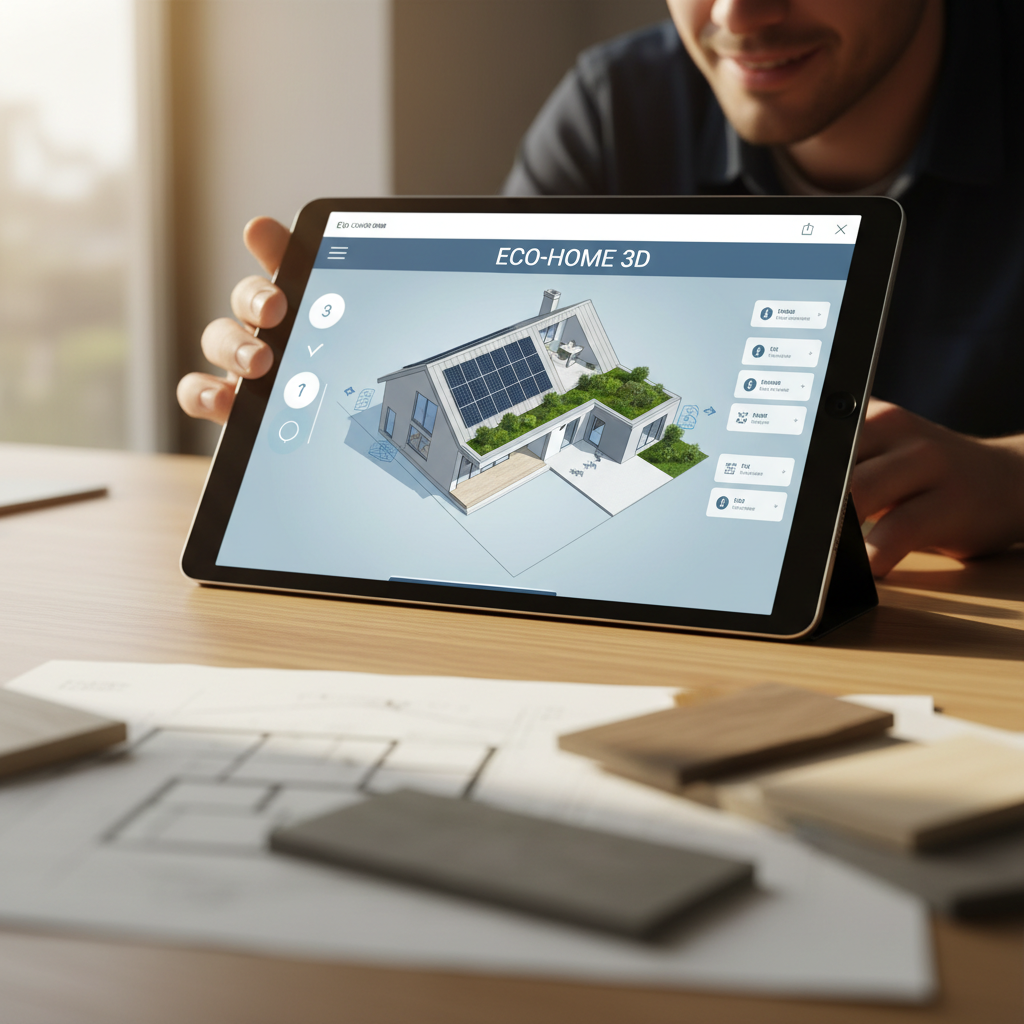
One of the most significant trends in architectural visualization is the use of real-time rendering. Unlike traditional methods that require hours or even days to produce a single image, real-time rendering provides instant feedback. This allows architects to explore different design options and make adjustments on the fly, significantly speeding up the design process.
Real-time rendering is made possible through advancements in graphics technology. Tools like Unreal Engine and Unity have become popular among architects for their ability to create detailed and interactive visualizations. This technology not only enhances the design process but also improves client presentations, making it easier to convey complex ideas.

Virtual Reality: Immersive Experiences
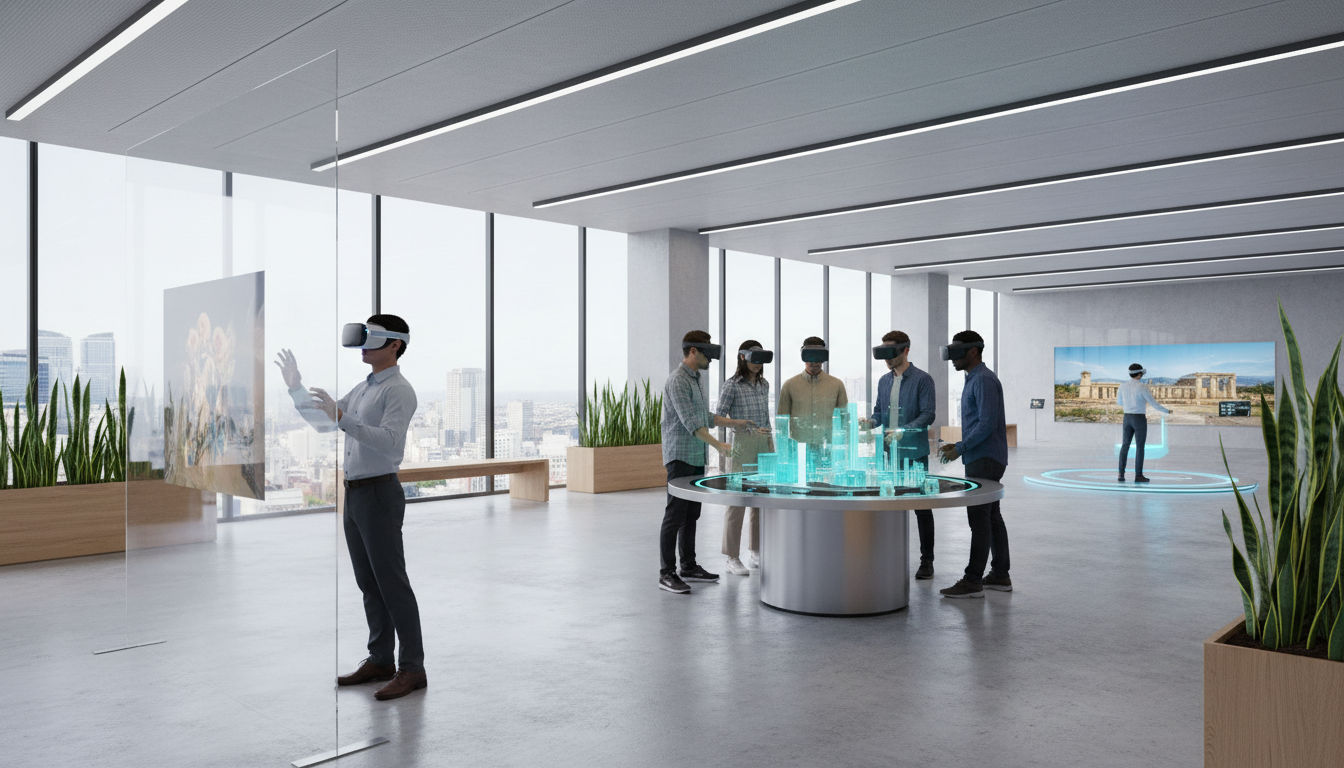
Virtual Reality (VR) is another trend that is making waves in architectural visualization. By allowing clients to "walk through" a building before it's built, VR provides an immersive experience that static images simply cannot match. This technology helps clients understand the spatial relationships and scale of a project, leading to more informed decisions.
VR is particularly useful in large-scale projects where understanding the flow and functionality of a space is crucial. It offers an engaging way to present design concepts, making it easier for clients to visualize and interact with the proposed environment.
Augmented Reality: Enhancing the Real World
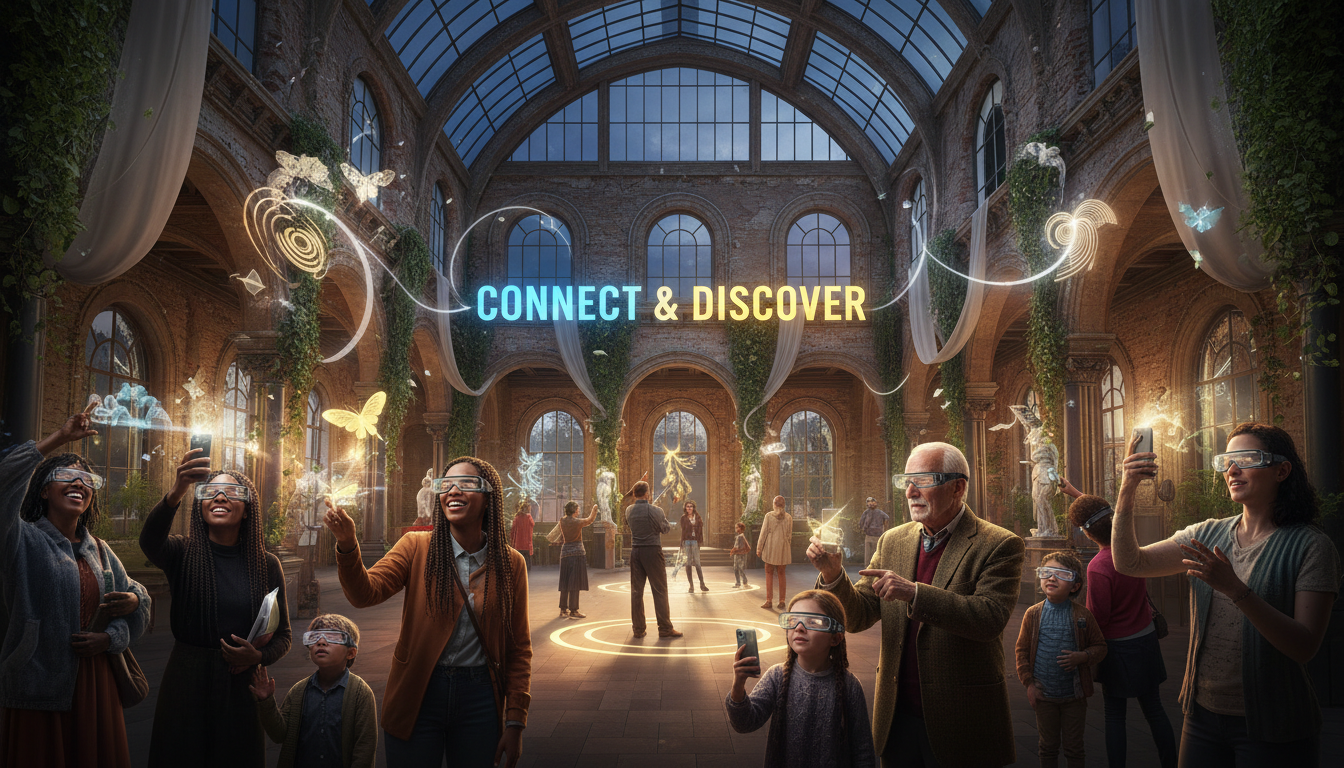
While VR immerses users in a completely digital environment, Augmented Reality (AR) overlays digital elements onto the real world. This trend is gaining traction in architectural visualization as it allows for a seamless blend of digital and physical spaces. AR can be used on-site to visualize how a new structure will integrate with its surroundings.
The use of AR in architecture is not limited to visualizations. It also aids in the construction process, providing builders with real-time data and visuals. This can improve accuracy and efficiency, reducing the potential for costly mistakes.
Photorealistic Rendering: Precision and Detail
Photorealistic rendering remains a cornerstone of architectural visualization. With the ability to produce images that are almost indistinguishable from real photographs, this technique is essential for high-quality presentations. The level of detail achieved in photorealistic renderings helps communicate the intricate aspects of the design, from materials to lighting.
Advancements in software like V-Ray and Lumion have made photorealistic rendering more accessible to architects. These tools offer a variety of features that can enhance the realism of a visualization, making it an indispensable part of the design process.
The Future of Architectural Visualization
As technology continues to evolve, the future of architectural visualization looks promising. Emerging trends such as AI-driven design and cloud-based collaboration tools are set to further revolutionize the industry. These innovations will continue to enhance the way architects design, communicate, and build, offering new possibilities for creativity and efficiency.
Architectural visualization is an ever-evolving field. By embracing these trends, architects can not only improve their design processes but also deliver more engaging and accurate representations of their projects. The integration of new technologies will undoubtedly shape the future of architecture, making it an exciting time for professionals and clients alike.