Top 5 Innovations in 3D Animation for Urban Planning


Introduction to 3D Animation in Urban Planning
In recent years, 3D animation has revolutionized the field of urban planning, providing architects, planners, and stakeholders with a dynamic tool to visualize and communicate ideas effectively. This technological advancement allows for more accurate representations of urban environments and fosters better decision-making processes.
With the rapid growth of urban areas, the need for innovative tools in planning becomes critical. Let's explore the top five innovations in 3D animation that are shaping the future of urban planning.
Real-Time Rendering
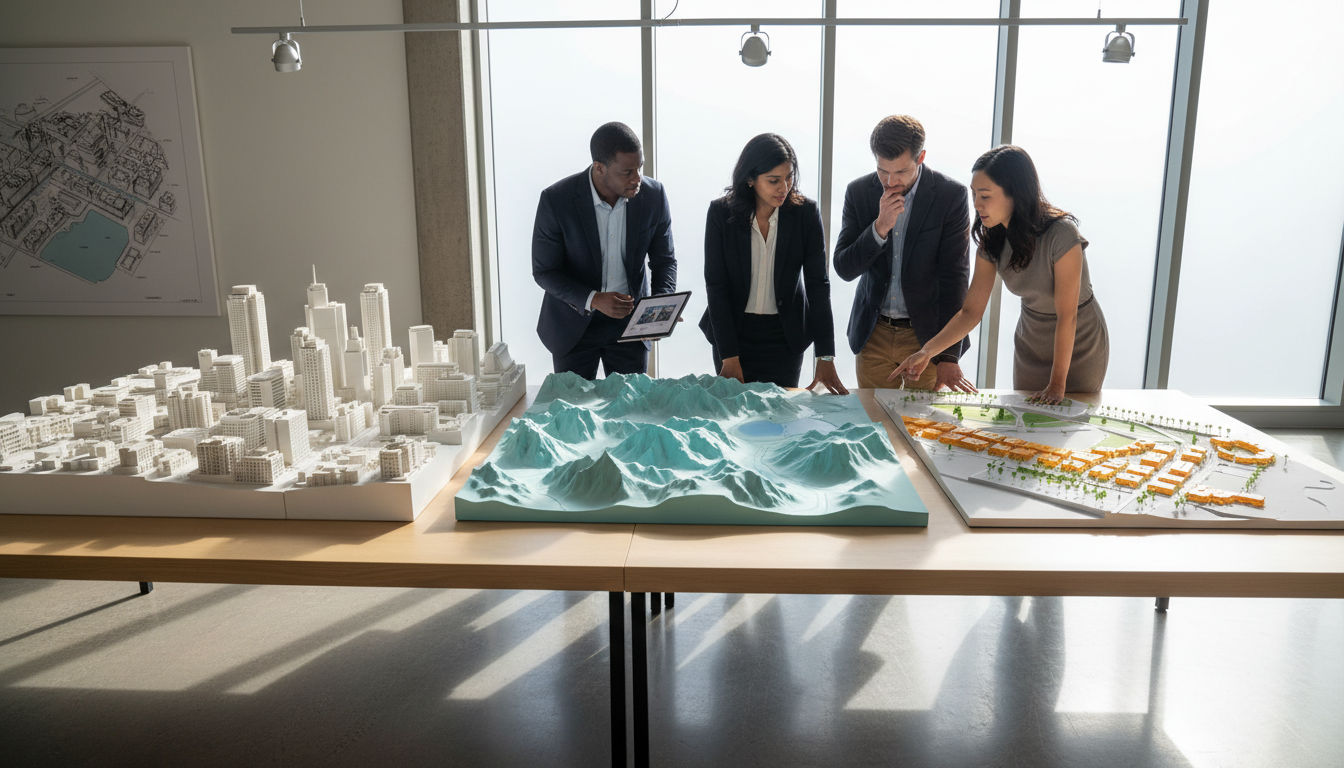
Real-time rendering technology has made it possible for urban planners to visualize and manipulate complex models instantaneously. This innovation allows for immersive experiences where changes can be viewed in real-time, enhancing collaboration among team members and stakeholders.
By utilizing software like Unreal Engine and Unity, planners can present highly detailed environments that facilitate more informed decision-making. This capability is particularly beneficial during public consultations, where community input is vital.
Virtual Reality (VR) Integration
Virtual Reality has taken 3D animation to the next level by offering an immersive experience that allows users to "walk through" planned urban spaces. This innovation enables planners to detect potential issues before construction begins, saving both time and resources.
VR integration also enhances public engagement by providing stakeholders with a tangible sense of proposed developments. This immersive experience helps in gaining public approval and understanding of complex projects.
Augmented Reality (AR) Applications
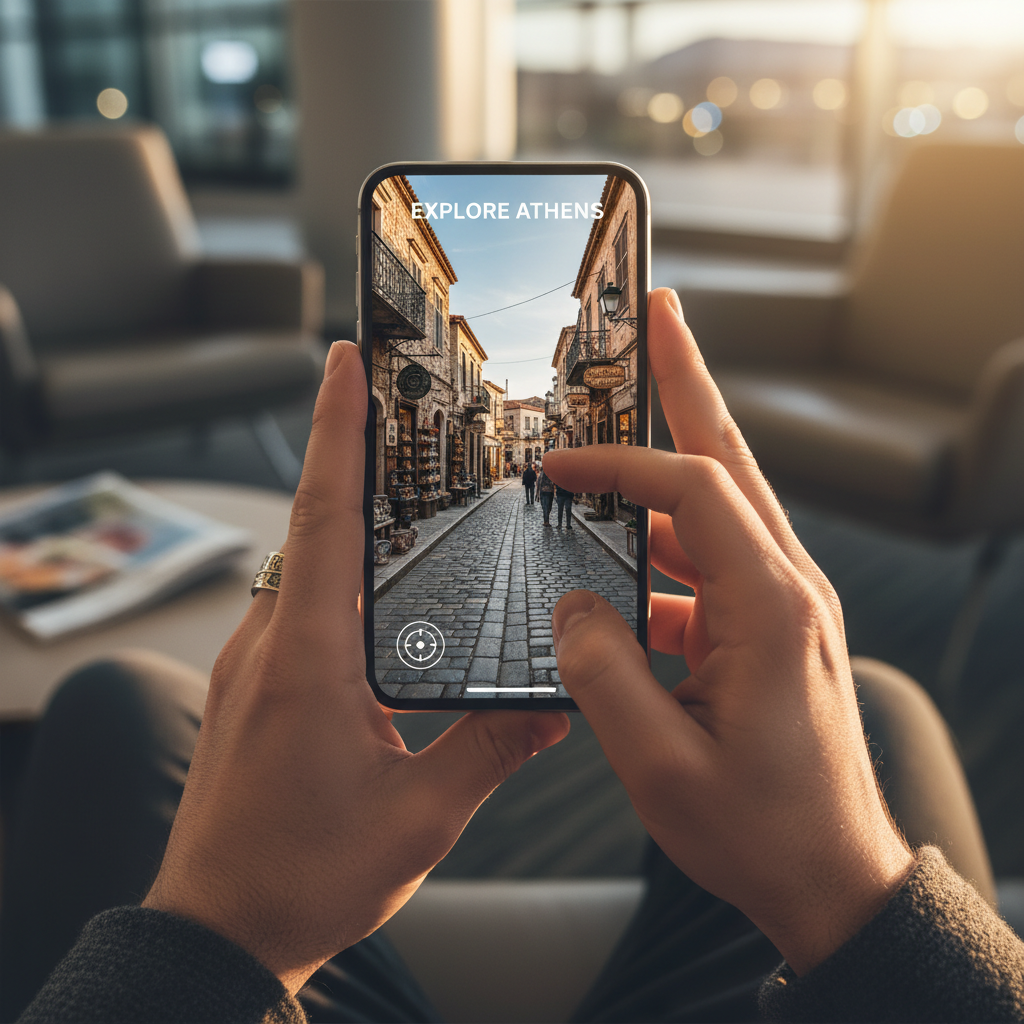
Augmented Reality overlays digital information onto the real world, offering planners a unique way to visualize and interact with urban projects. AR applications are particularly useful for on-site planning, allowing users to see proposed changes in real-world settings.
With devices like smartphones and tablets, urban planners can access AR features to overlay 3D models onto existing environments, making it easier to communicate ideas to clients and the public.
AI-Driven Animation Tools
Artificial Intelligence is playing a significant role in enhancing 3D animation for urban planning. AI-driven tools can automate various aspects of the animation process, such as rendering and modeling, saving time and reducing human error.
These tools can analyze vast amounts of data to optimize urban designs, ensuring efficient use of space and resources. AI enhances creativity by freeing planners from repetitive tasks, allowing them to focus on innovative solutions.
Interactive Storytelling Techniques
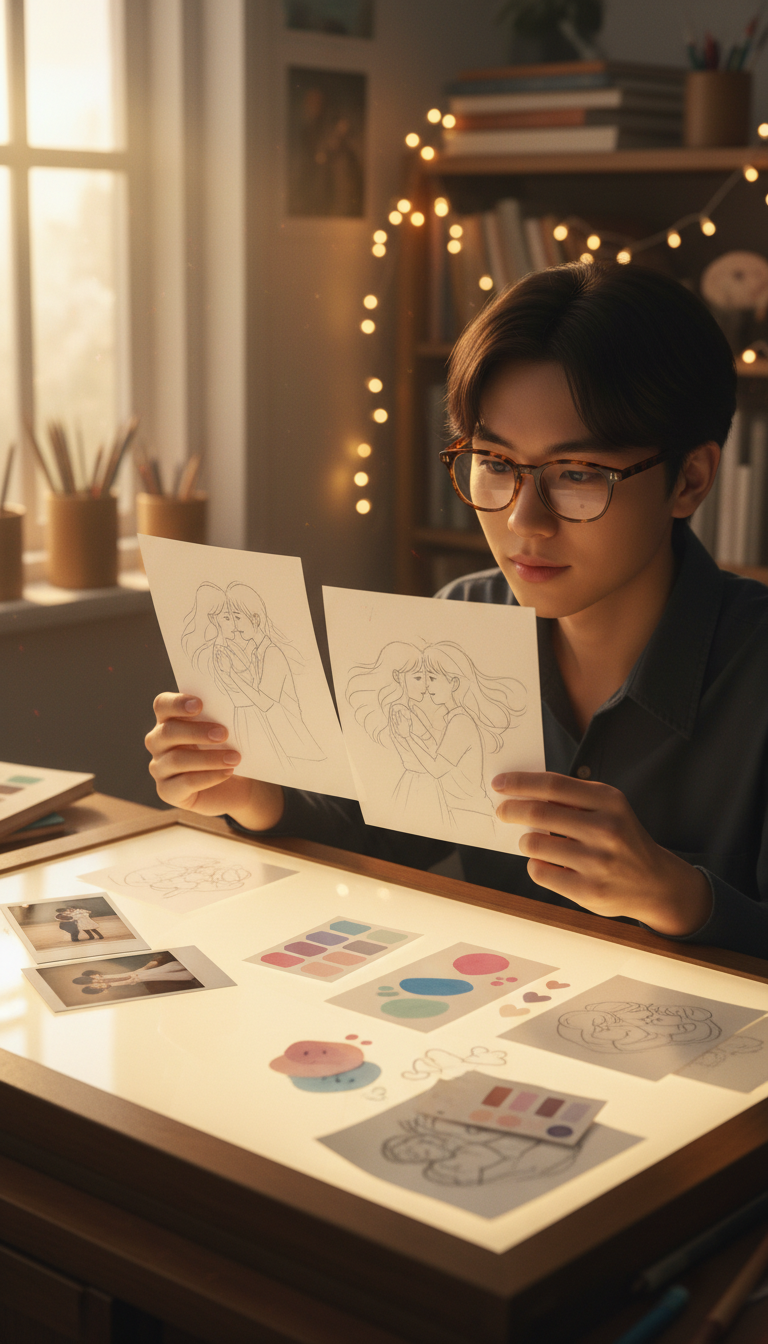
Interactive storytelling in 3D animation provides a narrative approach to urban planning. By combining storytelling with interactive elements, planners can create compelling presentations that engage stakeholders and convey complex information effectively.
This technique allows users to explore different scenarios and outcomes, making the planning process more transparent and inclusive. Interactive storytelling fosters a deeper understanding of urban projects, leading to more successful implementations.
Conclusion
The integration of these innovations in 3D animation is transforming urban planning, making it more efficient, engaging, and effective. As technology continues to evolve, these tools will undoubtedly become even more integral to the planning process, ensuring that urban development meets the needs of growing populations.
By embracing these advancements, urban planners can create more sustainable, livable, and vibrant communities for the future.