The Ultimate Guide to 3D Renders for Architectural Projects


Understanding 3D Renders in Architecture
3D rendering has revolutionized the architectural industry, offering a virtual glimpse into the future of construction projects. This technology allows architects and clients to visualize the final product before a single brick is laid. By creating detailed and realistic images, 3D renders aid in decision-making and streamline the design process.
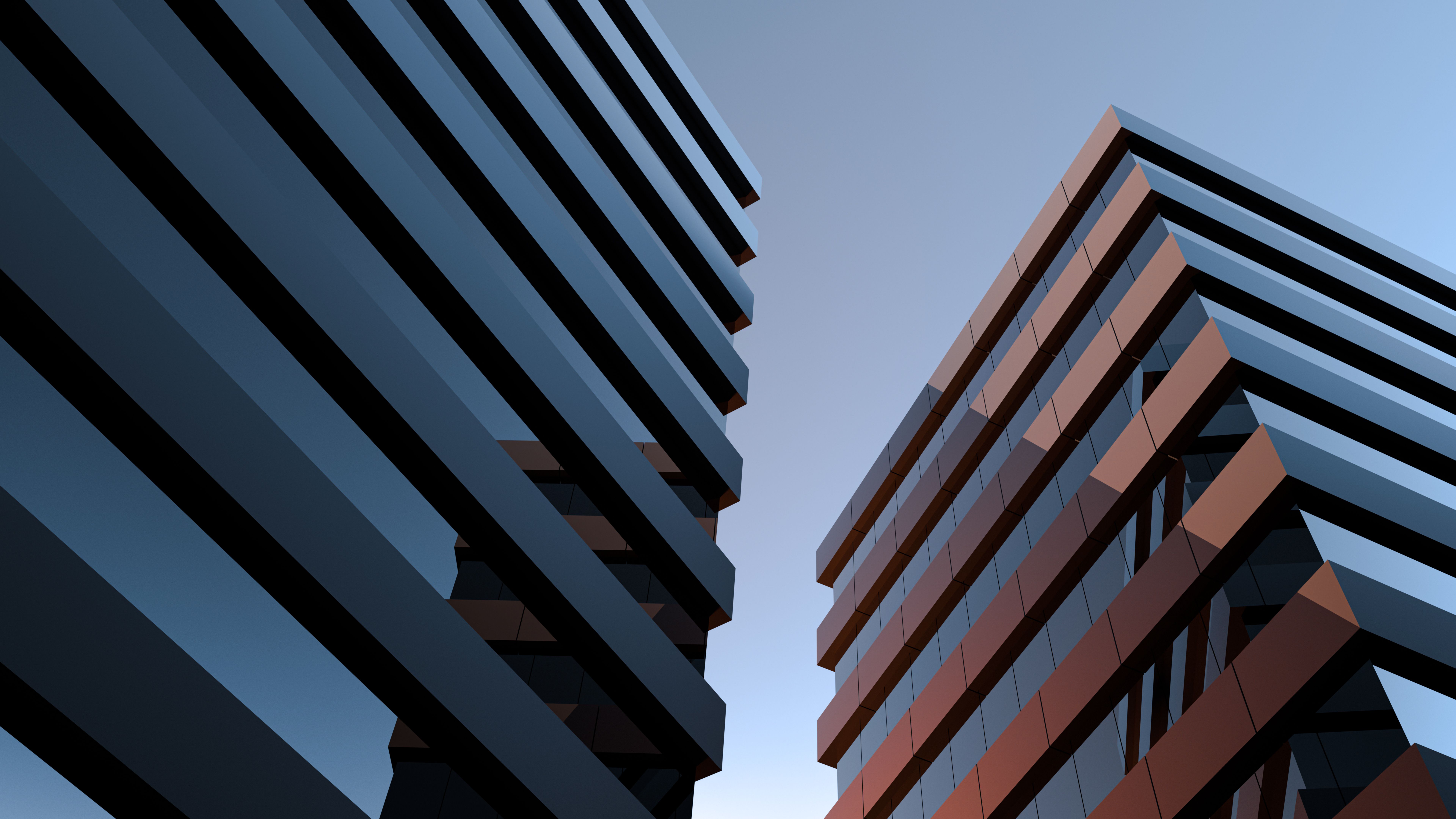
The power of 3D renders lies in their ability to showcase every detail, from the texture of materials to the play of light and shadow. This comprehensive visualization helps in identifying potential design flaws early, saving time and resources.
The Benefits of Using 3D Renders
One of the primary advantages of 3D renders is their ability to communicate ideas effectively. Unlike traditional blueprints, these visualizations are easily understandable to clients who may lack technical expertise. This clarity fosters better collaboration and ensures that all stakeholders are on the same page.
Moreover, 3D renders can be a powerful marketing tool. They can be used in presentations, brochures, and online platforms to attract potential buyers or investors. The photorealistic quality of these images can evoke emotional responses, creating a stronger connection with the viewer.
Enhanced Design Accuracy
With 3D renders, accuracy is significantly enhanced. Designers can experiment with various elements like colors, textures, and layouts without any physical constraints. This flexibility allows for more creative freedom and precision in finalizing designs.

How to Create Effective 3D Renders
To create compelling 3D renders, it is crucial to use the right software. Some popular options include SketchUp, Revit, and Blender. Each software has unique features, so selecting the one that aligns with your project needs is essential.
Additionally, paying attention to lighting, textures, and perspective can make a significant difference in the realism of the render. A well-crafted 3D render should not only look good but also convey the essence of the design concept.
Steps to Create a 3D Render
- Start with a 2D blueprint or sketch.
- Model the structure using 3D software.
- Apply textures and materials.
- Set up lighting to enhance realism.
- Render the image and make necessary adjustments.

Future Trends in 3D Rendering
As technology continues to evolve, so does the field of 3D rendering. Emerging trends like virtual reality (VR) and augmented reality (AR) are set to offer even more immersive experiences. These technologies allow users to walk through a space as if it were already built, providing a deeper understanding of the design.
Additionally, advancements in artificial intelligence are streamlining the rendering process, making it faster and more efficient. AI-powered tools can automatically generate textures and lighting setups, reducing the time and effort required to create high-quality renders.
Conclusion
The integration of 3D renders in architectural projects has transformed the way architects and clients interact with designs. By offering a detailed and realistic view of a project, these renders enhance communication, accuracy, and creativity. As technology progresses, the potential for 3D rendering in architecture continues to expand, promising even more innovative and exciting developments in the future.