How 3D Animation Enhances Planning Permits


Introduction to 3D Animation in Planning
In recent years, the integration of 3D animation in planning permits has revolutionized the way architects, developers, and city planners approach projects. This technology provides a visual representation that surpasses traditional blueprints and sketches, offering more clarity and detail.
With the capability to simulate real-world conditions and environments, 3D animation allows stakeholders to envision the final outcome of a project before construction begins. This reduces the potential for misunderstandings and errors, ultimately saving time and resources.

Enhancing Communication and Collaboration
One of the primary benefits of using 3D animation in planning permits is the enhancement of communication among all parties involved. Complex architectural concepts can be difficult to convey through words and 2D drawings alone. 3D animations bridge this gap by providing an easy-to-understand visual representation.
This improved communication facilitates better collaboration among architects, engineers, and clients, ensuring that everyone is on the same page. It allows for real-time feedback and modifications, which can be crucial during the planning stages.
Visualizing Impact on Surroundings
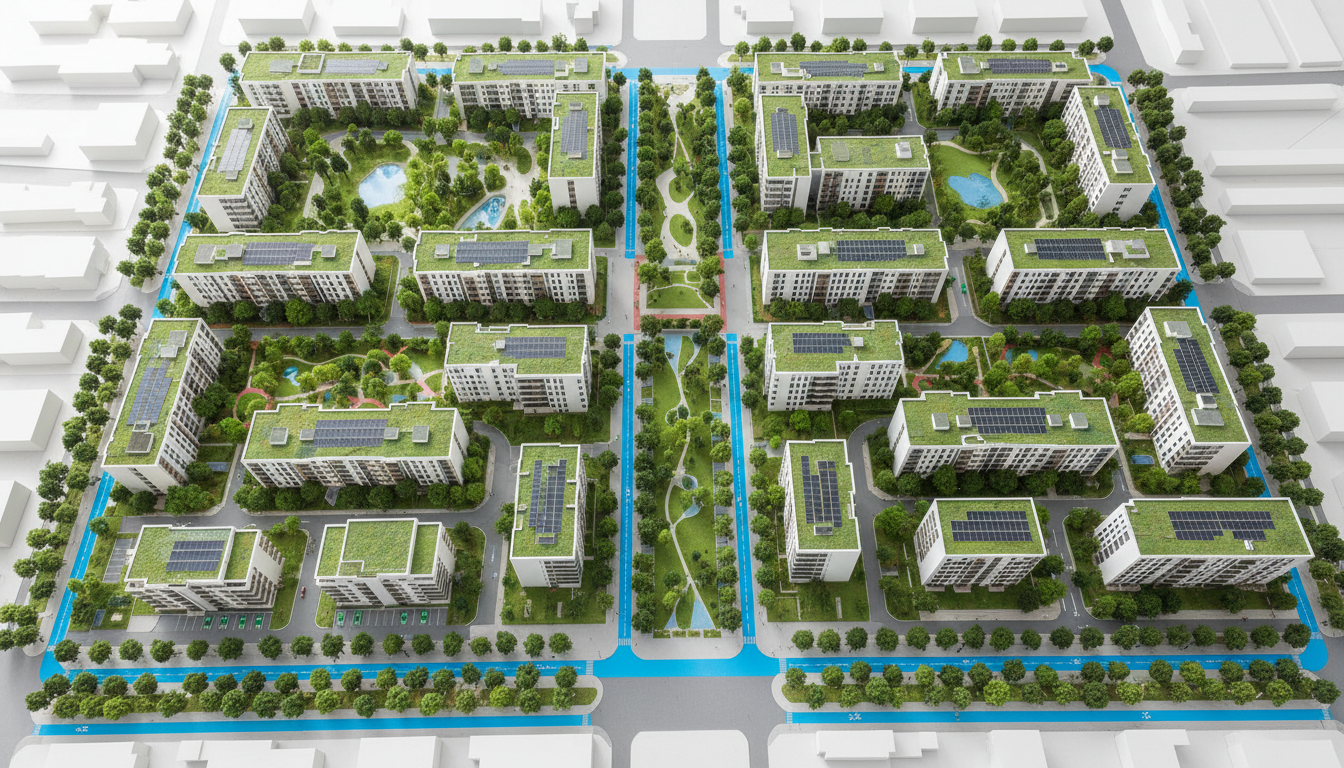
3D animation also enables planners to visualize how a new development will impact its surroundings. By simulating different scenarios, stakeholders can assess potential challenges and address them proactively. This is particularly beneficial in urban areas where new constructions must harmonize with existing structures and landscapes.
Streamlining the Approval Process
Gaining approval for planning permits can be a lengthy and complex process. However, with the use of 3D animation, applicants can present their projects more convincingly to decision-makers. A well-crafted animation can illustrate the benefits and potential of a project in a way that is both engaging and informative.
By providing a clear and comprehensive visual presentation, 3D animations can help expedite the approval process, reducing delays and facilitating smoother interactions with regulatory bodies.
Reducing Errors and Misunderstandings
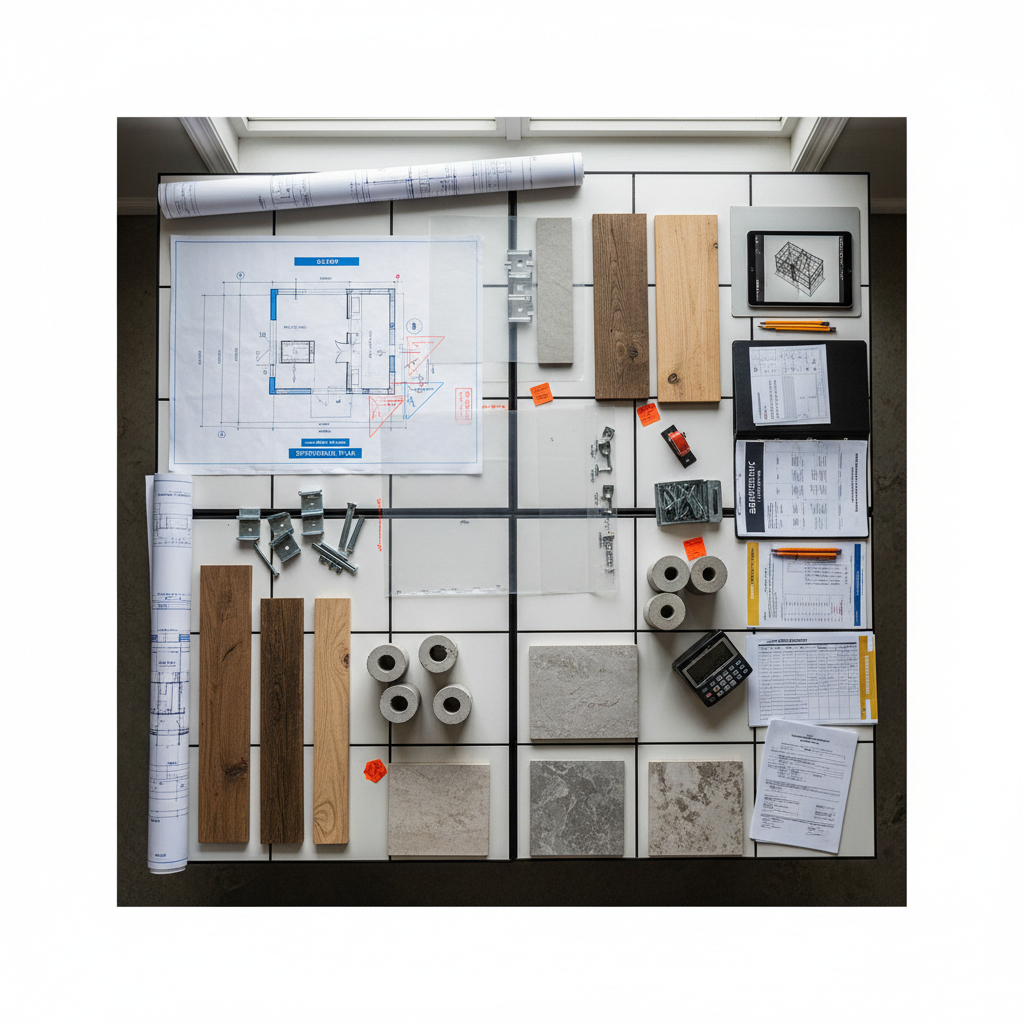
Traditional planning documents can sometimes lead to misunderstandings, resulting in costly errors. 3D animations mitigate these risks by offering a more accurate depiction of the proposed project. This precision helps in identifying potential issues early on, allowing for timely interventions.
Conclusion: The Future of Planning Permits
As technology continues to advance, the integration of 3D animation in planning permits is likely to become even more prevalent. Its ability to enhance communication, streamline processes, and reduce errors makes it an invaluable tool in modern urban development.
For developers and city planners looking to stay ahead, embracing 3D animation is not just an option but a necessity. By doing so, they can ensure their projects are not only successful but also sustainable and in harmony with their surroundings.