Debunking Common Myths About 3D Animation in Architecture


Understanding the Role of 3D Animation in Architecture
3D animation has revolutionized the architectural industry, providing a dynamic way to visualize projects. However, various misconceptions persist about its use and effectiveness. This article aims to debunk some of these common myths and offer a clearer understanding of the role 3D animation plays in modern architecture.
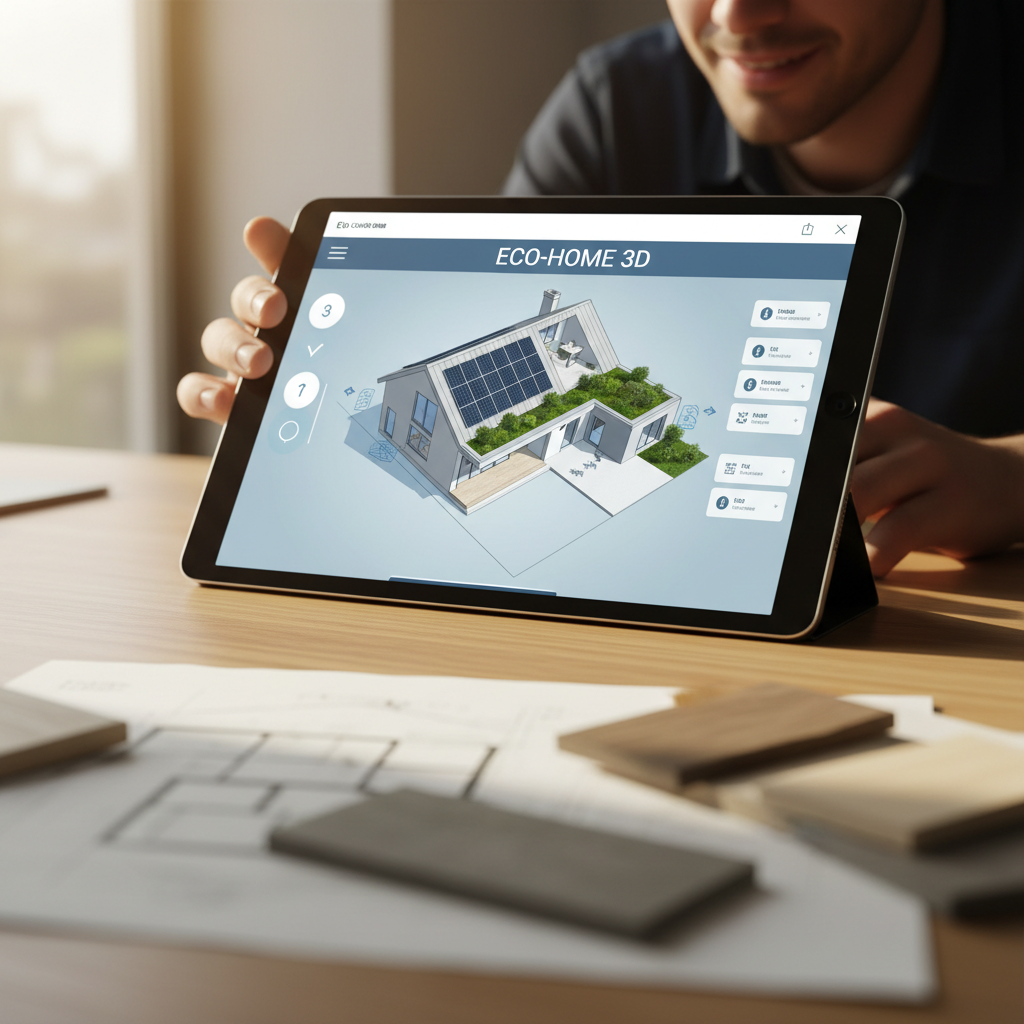
Myth 1: 3D Animation Is Only for Big Budget Projects
A widespread belief is that 3D animation is exclusively for large-scale, big-budget projects. In reality, 3D animation is accessible to projects of all sizes. Advances in technology have made it more affordable, allowing small firms and individual architects to utilize this powerful tool. Whether it's a modest residential design or a massive commercial complex, 3D animation can enhance any architectural presentation.
Myth 2: It's Just a Marketing Tool
Another myth is that 3D animation serves solely as a marketing tool. While it's true that these animations are incredibly effective in promotional materials, their utility extends far beyond marketing. They help architects and clients visualize design concepts, identify potential issues, and make informed decisions during the planning phase. By providing a realistic representation of the final product, 3D animations assist in refining and perfecting architectural designs.
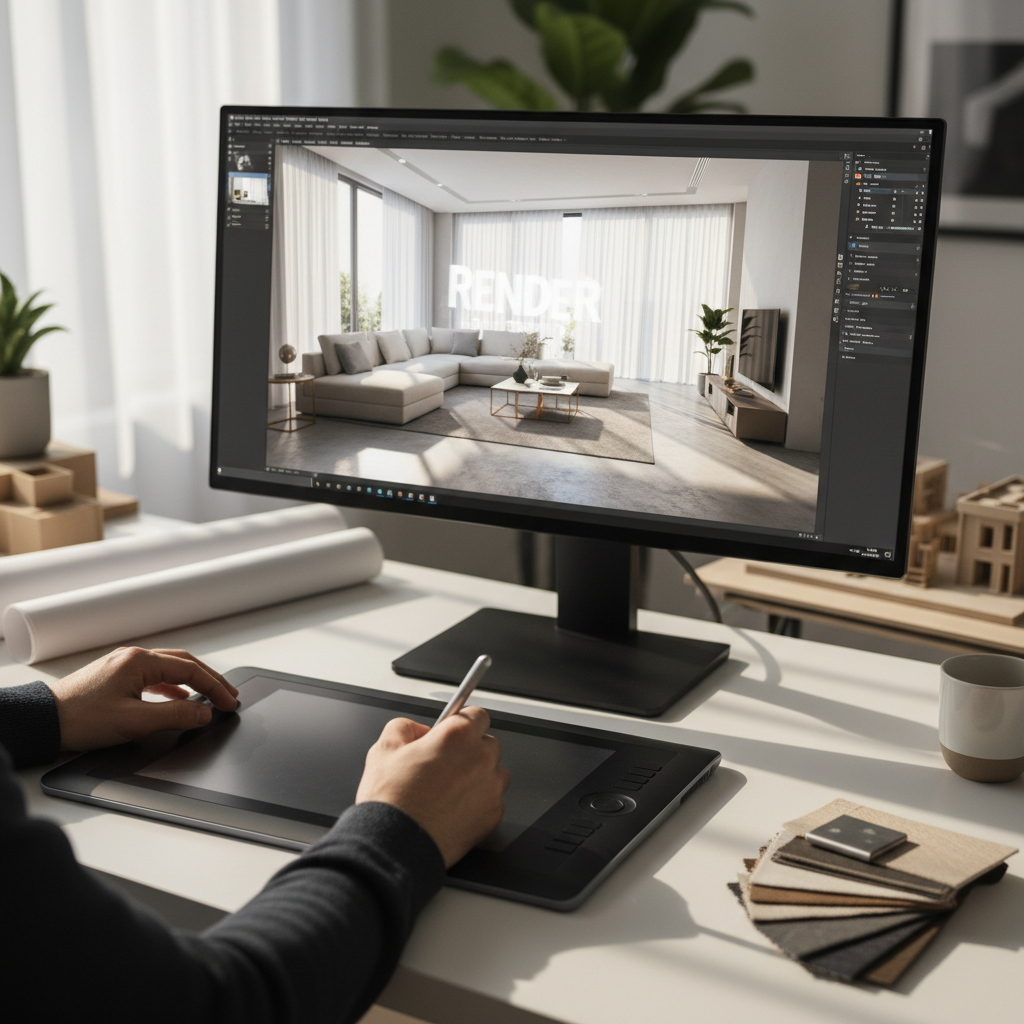
Myth 3: 3D Animation Is Time-Consuming
Some believe that creating 3D animations is a lengthy and cumbersome process. However, with modern software and skilled professionals, the creation of 3D animations can be both quick and efficient. Many tools now offer streamlined workflows that significantly reduce production time without compromising quality, making it feasible to incorporate 3D animations even in tight schedules.
Myth 4: It Doesn't Add Value to the Design Process
The perception that 3D animation doesn't add value to the design process is misleading. In fact, 3D animations enhance communication between architects, clients, and stakeholders. By providing a clear, visual representation of the project, these animations help align everyone's vision and expectations, reducing misunderstandings and facilitating a smoother development process.
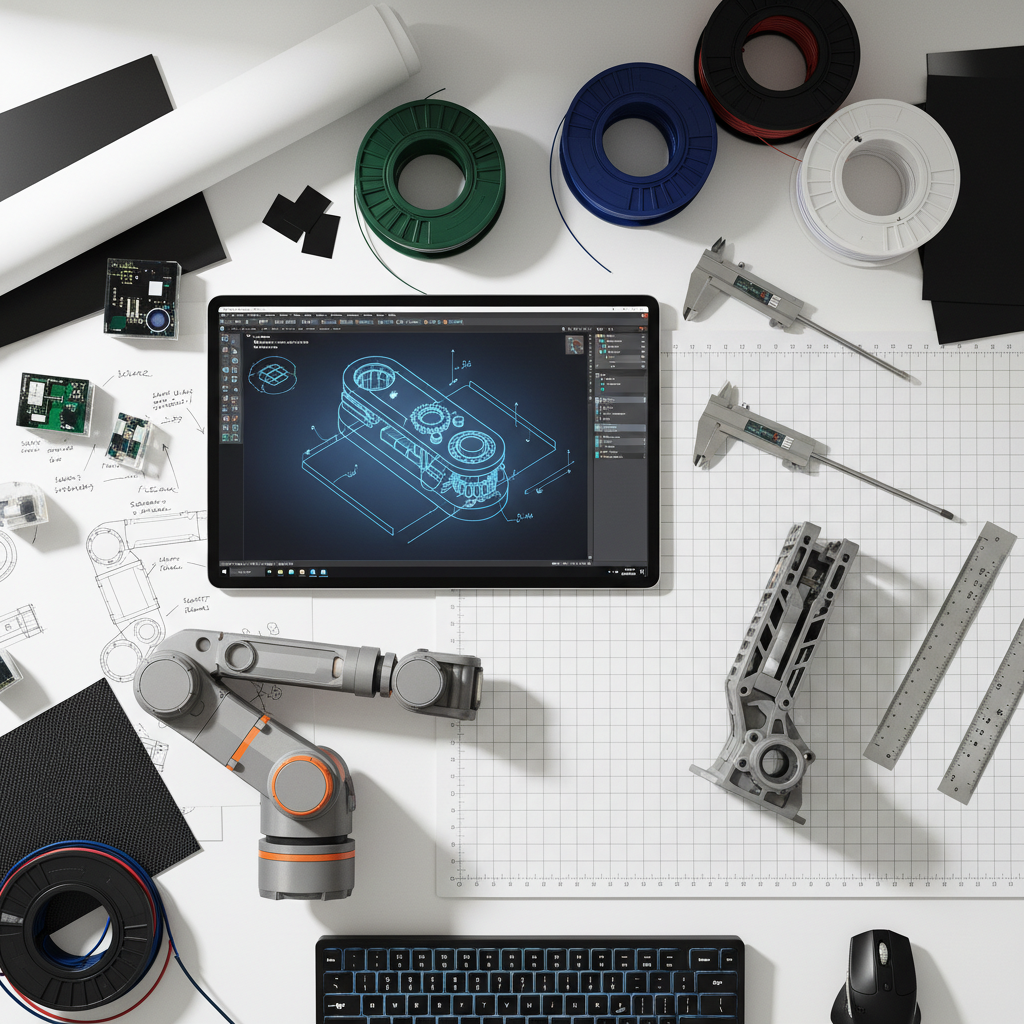
Myth 5: All 3D Animations Are the Same
Not all 3D animations are created equal. The quality and effectiveness of a 3D animation depend on various factors, including the software used, the skill of the animator, and the project's unique requirements. Customized 3D animations can be tailored to highlight specific features of a design, making them a versatile tool for any architectural firm.
In conclusion, 3D animation is a valuable asset in architecture, far more than just a flashy add-on. By understanding and dispelling these myths, architects can better leverage this technology to enhance their design processes, improve client communication, and ultimately deliver superior projects.