Creating Impactful Renders for Marketing and Planning Permits for developers.


In the world of architecture and real estate, creating impactful renders is crucial for both marketing and planning permits. These visualizations not only help in conveying the vision of a project but also play a pivotal role in gaining approvals and attracting potential clients. With the right approach, renders can transform abstract ideas into tangible realities.
The Importance of High-Quality Renders
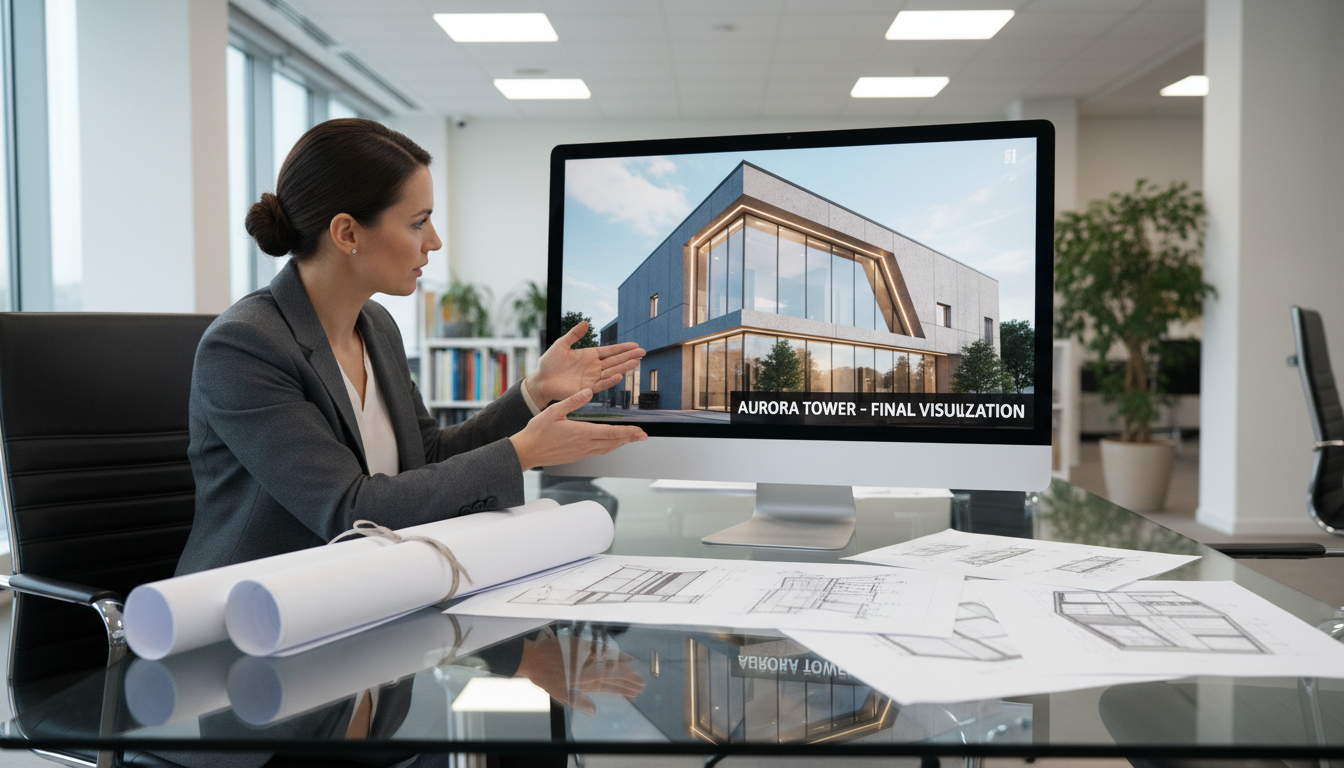
High-quality renders serve as a bridge between design concepts and the final product. They provide a realistic preview of what a project will look like, allowing stakeholders to visualize the end result. This is particularly important in marketing, where the ability to convey a compelling vision can make or break a sale.
For planning permits, detailed and accurate renders can facilitate smoother communication with regulatory bodies. By presenting a clear depiction of the project, you can address concerns and meet requirements more efficiently.
Key Elements of Effective Renders
Realism and Detail
The effectiveness of a render largely depends on its realism and detail. High-resolution images with intricate textures and lighting can significantly enhance the viewer's experience. The goal is to create an image that mirrors reality to the extent that it becomes indistinguishable from a photograph.
Contextual Integration
Integrating the render within its surrounding environment is essential for providing context. This includes accurately depicting nearby structures, landscapes, and natural elements. By doing so, you ensure that the project harmonizes with its location, which is a critical factor for planning approval.

Tools and Technologies
Advancements in technology have revolutionized the way renders are created. Tools like CAD software, 3D modeling programs, and rendering engines enable designers to produce stunningly realistic images. Understanding the capabilities of these tools is essential for delivering top-notch renders.
Additionally, virtual reality (VR) and augmented reality (AR) technologies are becoming increasingly popular. These tools offer immersive experiences, allowing stakeholders to explore projects as if they were physically present.

Best Practices for Marketing Renders
When creating renders for marketing purposes, it's important to highlight the unique selling points of the project. This could be the architectural style, innovative features, or the location's allure. Use dynamic angles and lighting to emphasize these aspects and captivate potential buyers.
Storytelling Through Visualization
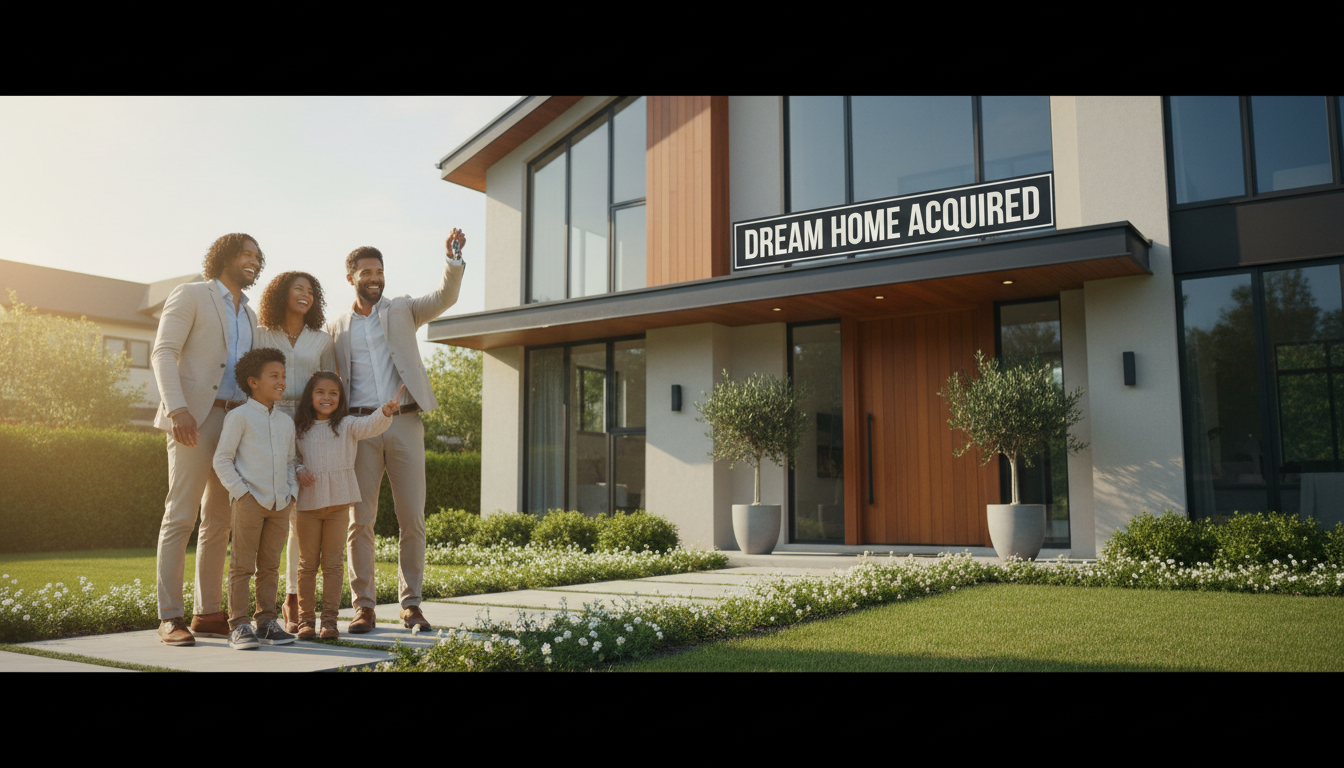
Effective marketing renders tell a story. They evoke emotions and inspire imagination. Consider the lifestyle and experiences that the project offers and incorporate these elements into your visualizations. This approach not only attracts attention but also fosters a deeper connection with the audience.
Conclusion
Creating impactful renders is a vital step in the architectural and real estate industries. Whether for marketing or planning permits, these visual tools help bridge the gap between vision and reality. By focusing on realism, context, and storytelling, you can produce renders that leave a lasting impression and pave the way for successful project approvals and sales.