Comparing 3D Renders and Traditional Visualisation Methods


Introduction to Visualisation Methods
In the world of design and architecture, visualisation plays a critical role in bringing concepts to life. Two prominent methods stand out: 3D renders and traditional visualisation techniques. Understanding the differences between these methods can help professionals choose the right approach for their projects.
3D renders, powered by cutting-edge technology, offer a modern solution to visualisation, while traditional methods rely on hand-drawn sketches and physical models. Both have their unique strengths and limitations.
The Evolution of 3D Renders
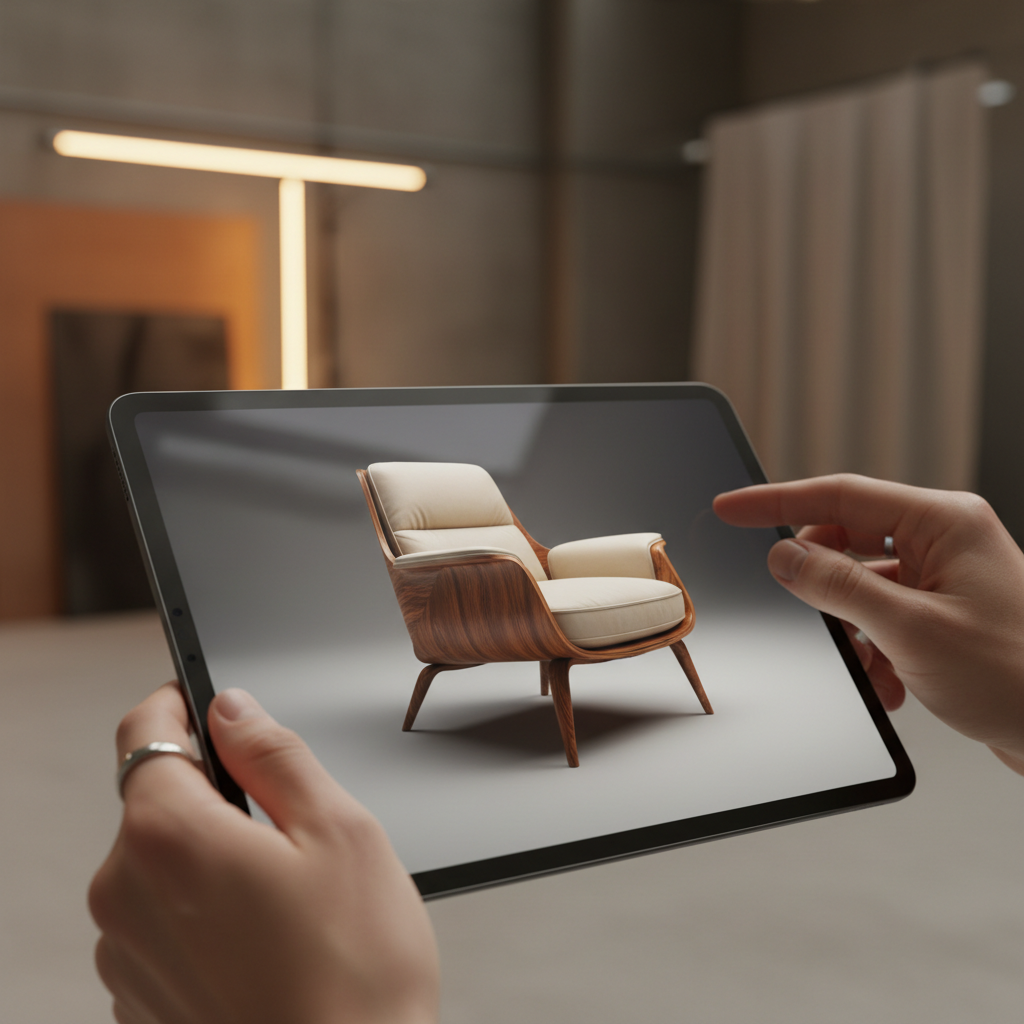
3D rendering technology has revolutionized how designers and architects present their ideas. With the ability to create highly detailed and realistic images, 3D renders offer an unparalleled level of precision. This method allows for quick adjustments and multiple iterations without starting from scratch.
Moreover, 3D renders can simulate lighting, textures, and materials with great accuracy, providing a comprehensive view of the final product. This capability helps clients visualize the project in a real-world context, enhancing decision-making and collaboration.
Advantages of 3D Renders
There are several benefits to using 3D renders:
- Realism: High-quality textures and lighting effects create lifelike images.
- Flexibility: Easily modify designs based on client feedback.
- Efficiency: Faster production times compared to traditional methods.
The Timelessness of Traditional Visualisation
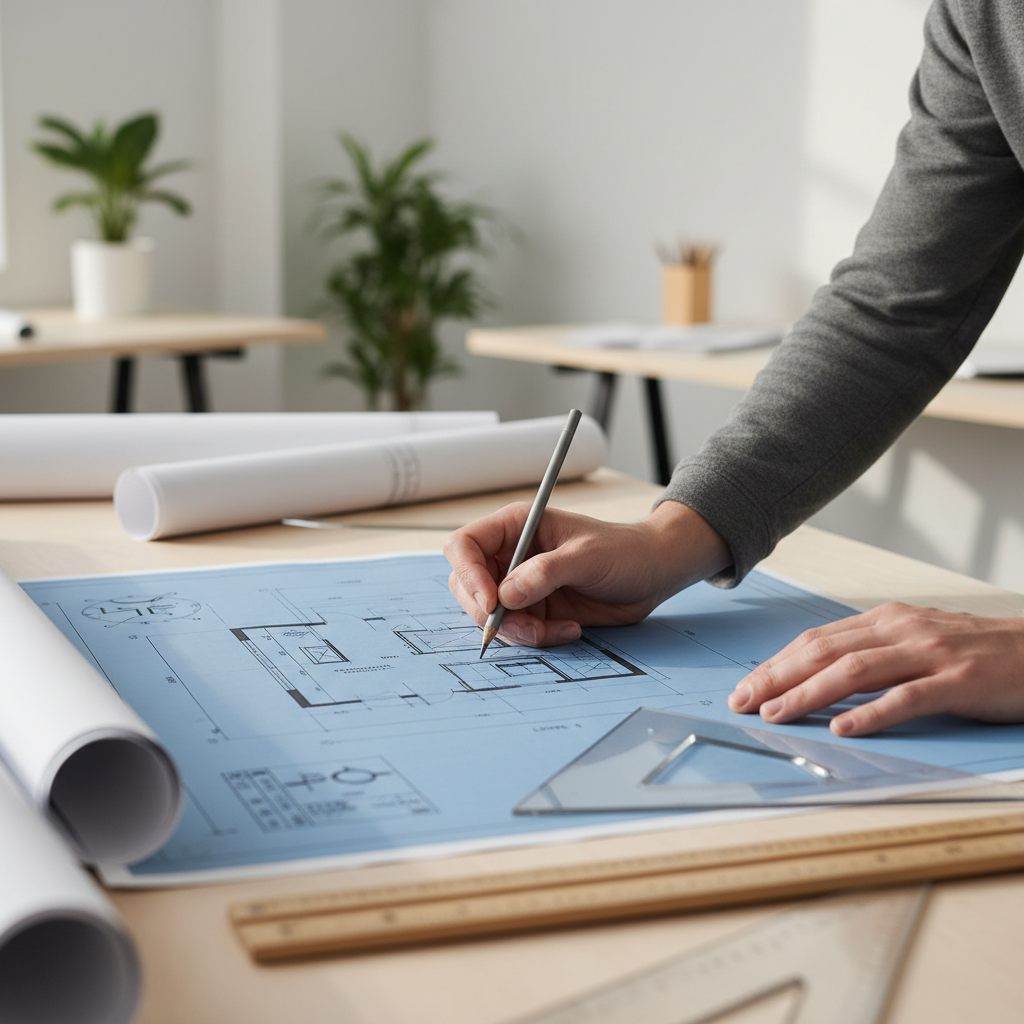
Despite the advancements in technology, traditional visualisation methods continue to hold their ground. Hand-drawn sketches and physical models offer a tangible connection to the design process. These methods require a high level of skill and craftsmanship, which can be a significant advantage in certain projects.
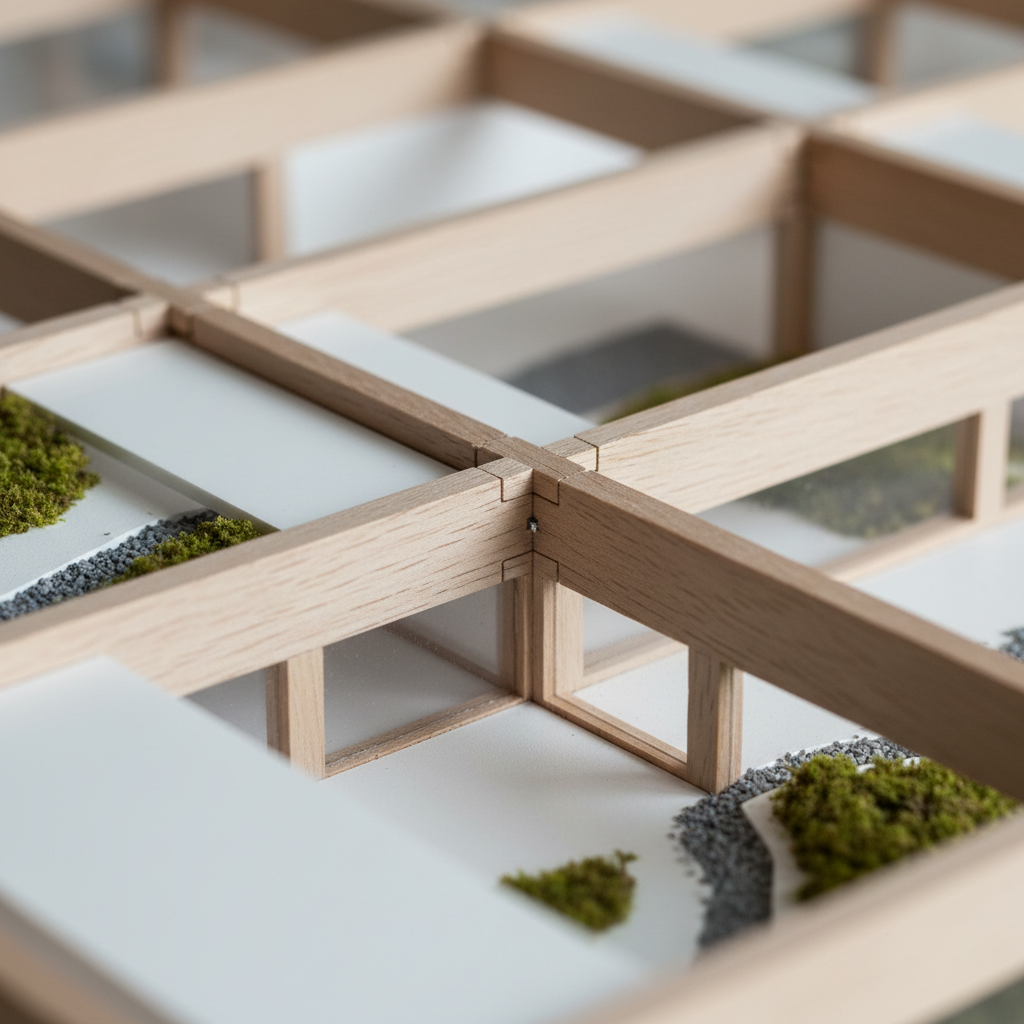
Traditional visualisation allows for a personal touch and a unique artistic flair, often appealing to clients who appreciate the human element in design. Physical models, in particular, provide a tactile experience that digital methods cannot replicate.
Strengths of Traditional Methods
Key advantages of traditional visualisation include:
- Artistic Expression: Unique, handcrafted designs.
- Tactile Feedback: Physical models offer a hands-on experience.
- Emotional Connection: Personal touch can resonate with clients.
Choosing the Right Method for Your Project
When deciding between 3D renders and traditional visualisation methods, consider the project's requirements, budget, and timeline. 3D renders are ideal for projects needing high precision and quick turnaround times. They are also suitable for large-scale projects where multiple iterations may be necessary.
On the other hand, traditional methods are perfect for projects that benefit from a personal touch and where the unique artistic style is paramount. They are also valuable when a physical representation is needed to convey the design's essence.
Conclusion
Both 3D renders and traditional visualisation methods offer distinct advantages, and the choice between them should be guided by the specific needs of the project. By understanding the strengths of each approach, designers and architects can leverage the best of both worlds to create compelling visualisations that captivate and inspire.