3D Rendering vs. Visualization: Which is Right for Your Project?


In the world of digital design, both 3D rendering and visualization are essential tools that help bring ideas to life. However, they serve different purposes and understanding these differences can be crucial for your project's success. Whether you're an architect, a designer, or a developer, knowing when to use each can enhance your workflow and outcomes.

Understanding 3D Rendering
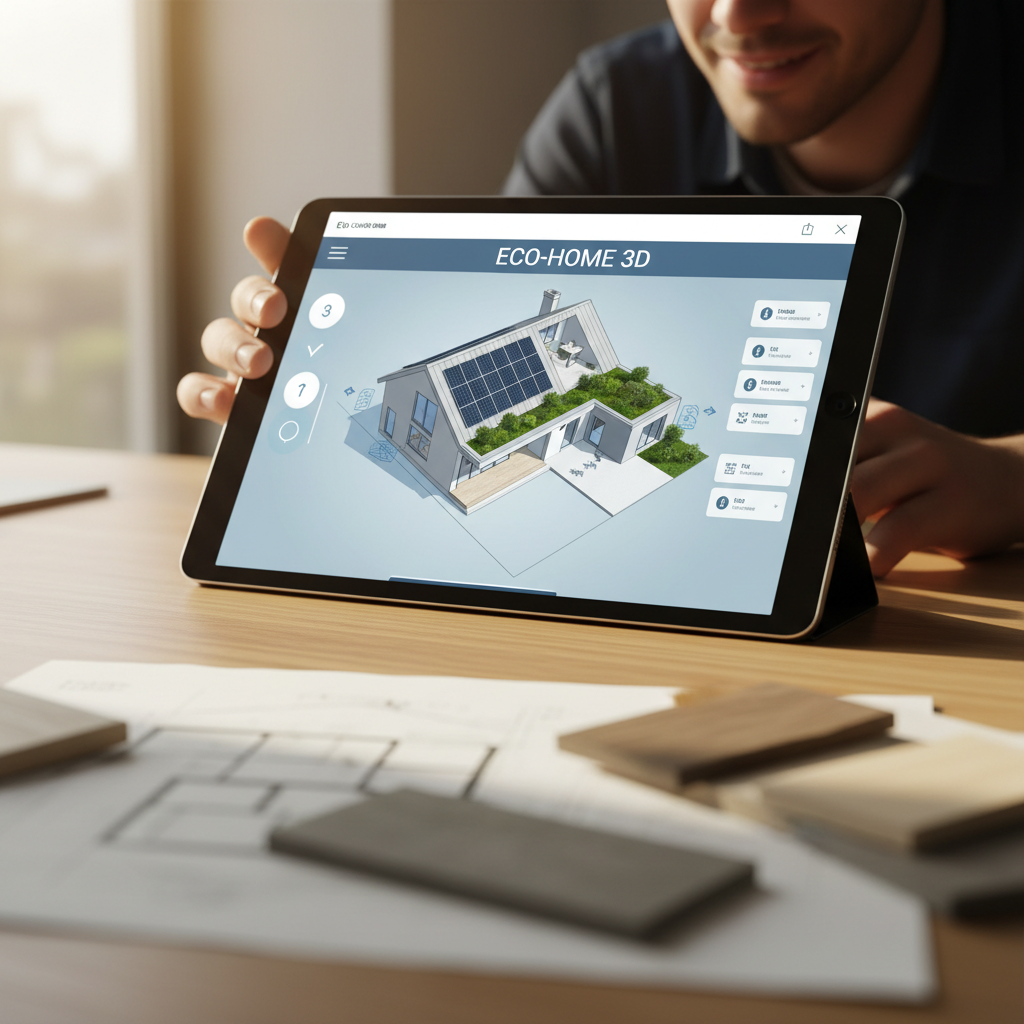
3D rendering is the process of converting 3D models into 2D images on a computer. It involves creating lifelike images using lighting, texture, and color to give a realistic view of a concept. This method is commonly used in industries such as architecture, film, and gaming.
The primary goal of 3D rendering is to produce high-quality images that accurately represent the final product. This can be particularly beneficial for presentations to clients or stakeholders, where visualizing the end result is key to gaining approval.
Advantages of 3D Rendering
3D rendering offers several benefits:
- Realism: It provides a near-exact representation of the final product.
- Detail: High levels of detail can be achieved, showcasing intricate designs.
- Impressiveness: Stunning visuals can leave a lasting impression on clients.
Exploring Visualization
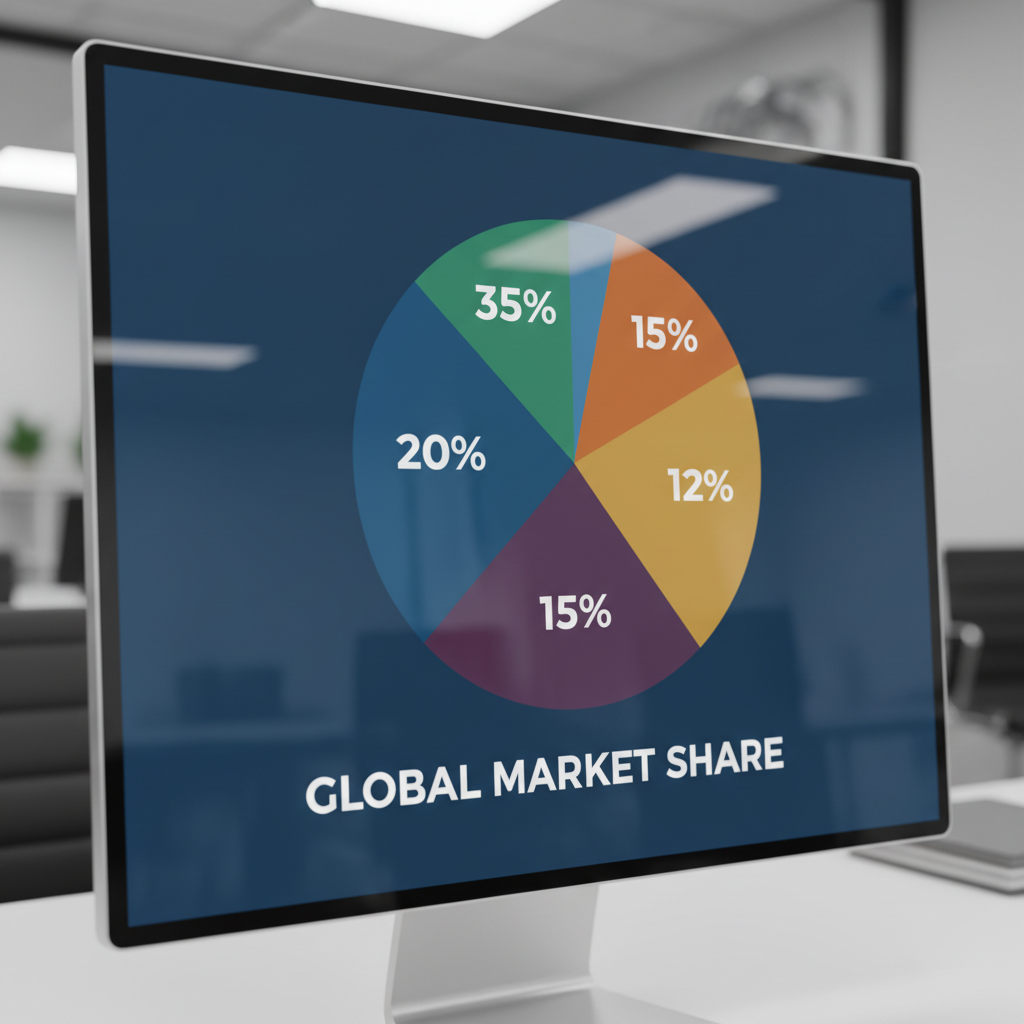
While 3D rendering focuses on creating realistic images, visualization encompasses a broader scope. It involves creating visual representations of data, concepts, or processes to facilitate understanding and communication. Visualization is widely used in fields like engineering, urban planning, and data science.
The main aim of visualization is to communicate complex information in a clear and concise manner. It can include anything from simple graphs to interactive 3D models that users can explore.
Benefits of Visualization
Choosing visualization for your project offers distinct advantages:
- Clarity: Simplifies complex information for better understanding.
- Interactivity: Allows for engaging and dynamic presentations.
- Flexibility: Can be tailored to different audiences and purposes.
Choosing the Right Option for Your Project
Deciding whether to use 3D rendering or visualization depends on your project's needs. If your goal is to display a realistic image of a product or design, 3D rendering is likely the best choice. On the other hand, if you need to convey complex data or processes, visualization will be more effective.
Consider your audience and the message you wish to communicate. 3D rendering is ideal for stunning visuals, while visualization is perfect for educational and explanatory purposes.
Conclusion
Both 3D rendering and visualization are powerful tools in digital design. By understanding their differences and advantages, you can choose the right approach for your project, ensuring that your designs are both impactful and effective.